
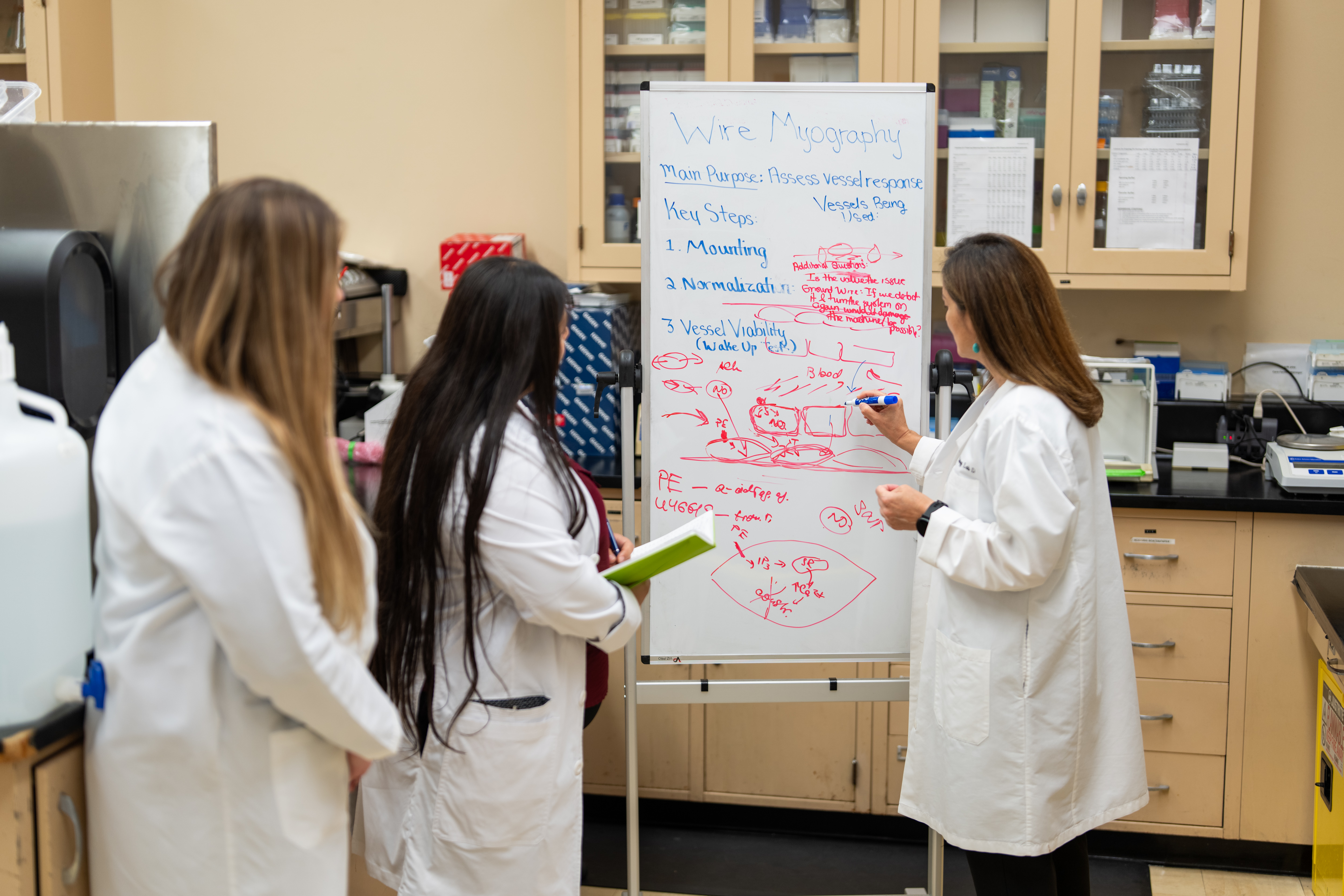
The laboratory integrates basic, translational, and clinical research to understand the mechanisms underlying women’s cardiovascular health during and beyond pregnancy. Using cellular systems, preclinical models, human biospecimens, and clinical collaborations, we investigate how vascular function, mitochondrial stress signaling, and circulating biomarkers contribute to pregnancy complications and cardiovascular disease risk. Our current research is organized around three complementary themes that span molecular mechanisms, physiological adaptations, and translational medicine.
We investigate how circulating cell-free mitochondrial DNA (mtDNA) contributes to the development and severity of preeclampsia. We study how mtDNA activates innate immune pathways, alters maternal vascular function, and disrupts placental health. Using cellular models, isolated tissues, preclinical studies, and human biospecimens, we seek to determine whether mtDNA can serve as an early biomarker or therapeutic target. We also investigate whether exposure to mitochondrial stress signals during pregnancy produces lasting changes in maternal cardiovascular function after delivery. Our goal is to improve early detection, prediction, and treatment of preeclampsia while advancing understanding of long-term maternal cardiovascular risk.
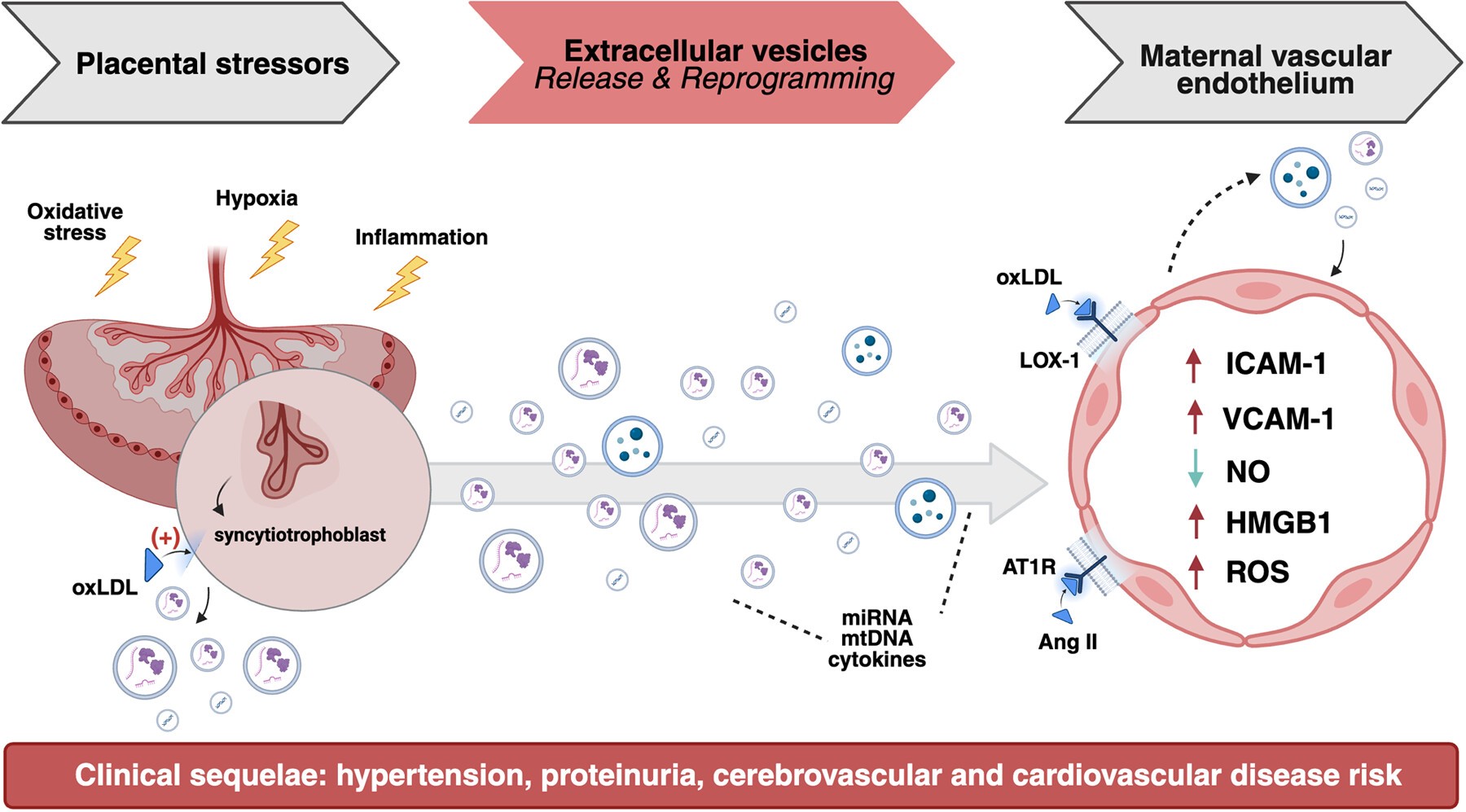
Schematic reproduced from: Hula N, Escalera D, Goulopoulou S. Extracellular vesicles in preeclampsia: drivers of vascular dysfunction and inflammation. Am J Physiol Heart Circ Physiol. 2025 Nov 5;329(6):H1560-H1574. doi: 10.1152/ajpheart.00584.2025. Copyright © 2025 The Authors. Licensed under Creative Commons Attribution CC-BY-NC-ND 4.0. Published by the American Physiological Society.
Healthy pregnancy requires a major rise in uterine artery blood flow. Our research identifies the molecular and biomechanical mechanisms that support this adaptation and explores why they fail in pregnancy complications. We study vascular smooth muscle and endothelial signaling, mitochondrial dynamics, and the influence of perivascular adipose tissue and extracellular vesicles on uterine artery function in both reproductive and systemic circulations. We are particularly interested in how pregnancy reshapes blood vessel structure and function and whether these changes persist after delivery. These discoveries may identify therapeutic targets for improving placental perfusion, fetal growth, and long-term cardiovascular health.
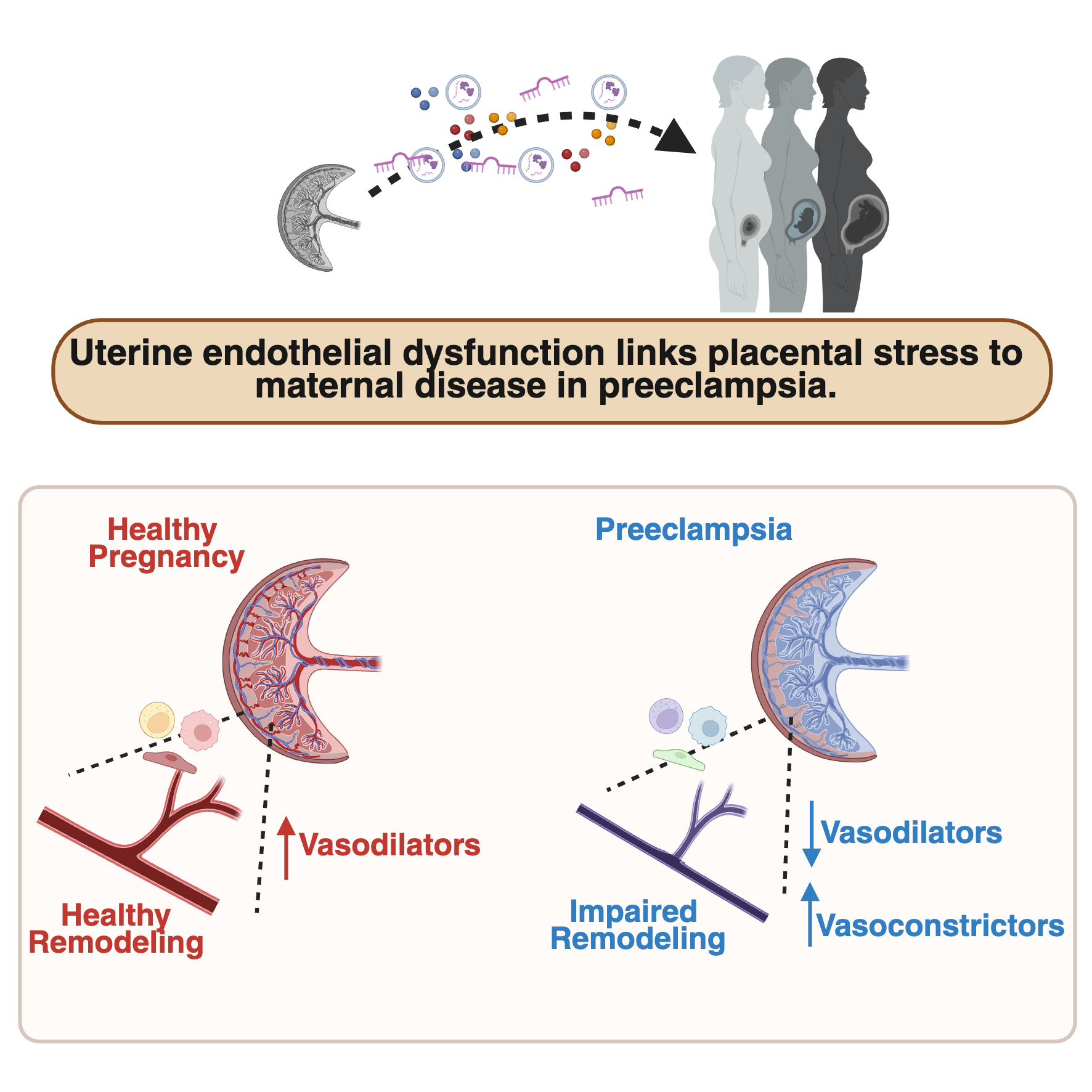
Graphical abstract reproduced with permission from Tucker SM, Hula N, Gardner JJ, Goulopoulou S. Endothelial Dysfunction in Preeclampsia: Focus on the Uteroplacental Circulation. Arteriosclerosis, Thrombosis, and Vascular Biology. 2026;46(6). © 2026 American Heart Association, Inc.
We lead translational studies integrating clinical samples with molecular analyses to identify biomarkers and mechanisms underlying obstetric and gynecologic disorders. Working with Maternal–Fetal Medicine and Gynecology teams, we combine molecular profiling with clinical data to improve risk stratification, disease subtyping, and personalized care during pregnancy. In preeclampsia, we are building a longitudinal biorepository to define molecular signatures of disease risk across pregnancy and postpartum. In uterine fibroids, we explore how tumor-derived signals may influence cardiovascular health. These collaborative studies aim to advance precision medicine approaches that improve women’s cardiovascular health throughout the lifespan.
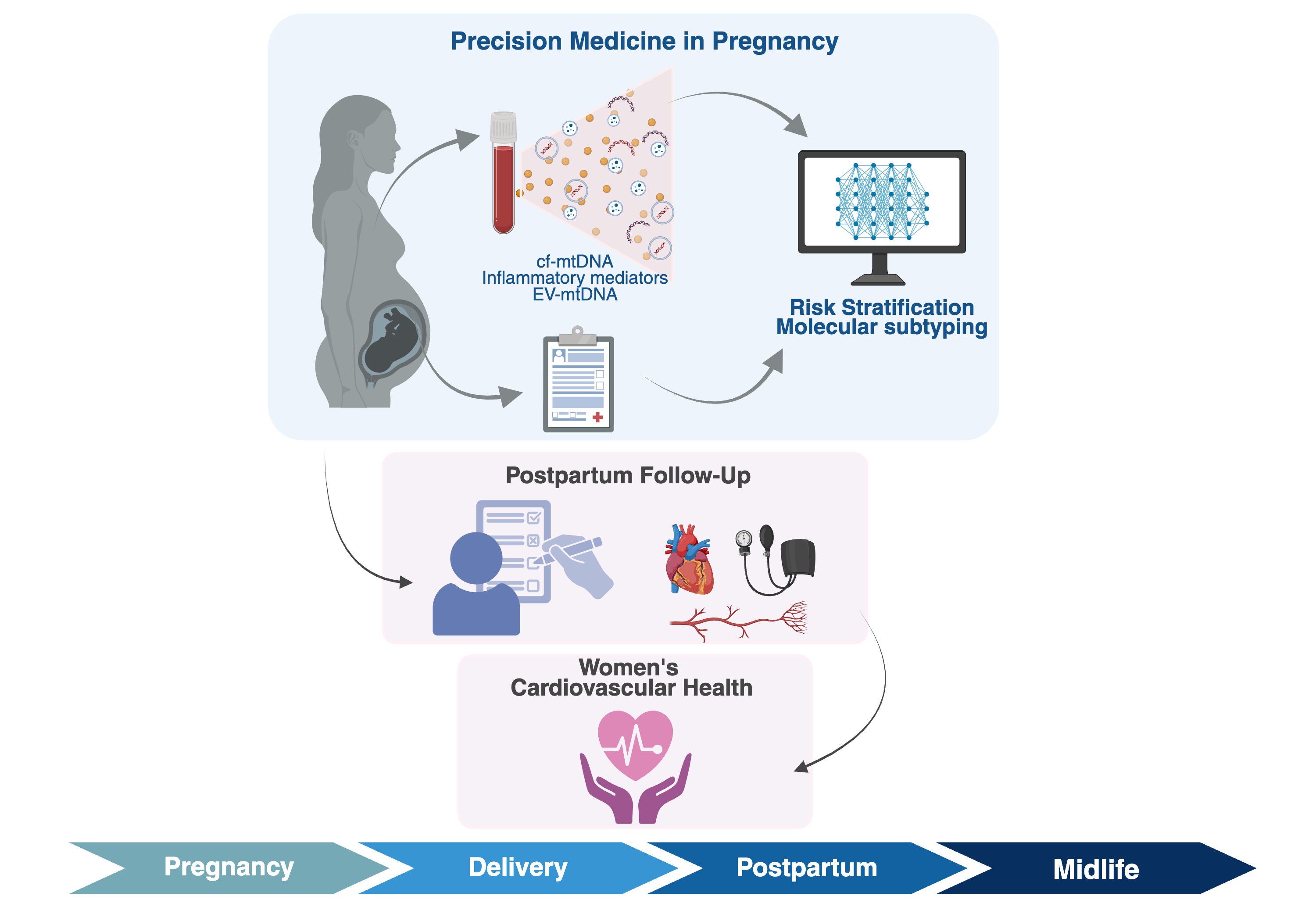
Created in BioRender. Goulopoulou, S. (2026) https://BioRender.com/r9f4jtt
Selected Publications
- Gardner JJ et al. Oxidative stress induces release of mitochondrial DNA into the extracellular space in human placental villous trophoblast BeWo cells. Am J Physiol Cell Physiol. 2024
- Hula N, et al. Acute exposure to cell-free mitochondrial DNA induces pregnancy-specific aortic endothelial dysfunction and organ-selective inflammation in rats. Am J Physiol Heart Circ Physiol. 2026.
- Cushen SC et al. Reduced maternal circulating cell-free mitochondrial DNA is associated with the development of preeclampsia. J Am Heart Assoc. 2022